Our Mision
The Faculty of Health Science and Nursing provides students striving to become nurses or public health nurses (hereinafter “nursing professionals”) with the education required to graduate after four years and immediately pass the National Nurse Examination
or National Public Health Nurse Examination. We regard your university years as the time in your life when you undergo the greatest growth as a person, so staff and faculty members work in harmony to provide you with the education needed to become a nursing
professional who is highly intelligent, has a well-rounded education, and demonstrates abundant sensitivity.
As the only four-year faculty of nursing in eastern Shizuoka Prefecture, we have an educational philosophy (educational policy) of practicing nursing that heals both body and mind, based on the spirit of jin (benevolence) that is the university’s motto
and maintaining Juntendo’s tradition of nursing education stretching back more than 120 years. Jin is a very important word that underpins Juntendo University’s overall approach and its attitude to education and research. Jin means a heart that considers
and cherishes others.
Making full use of the environmental advantages of our location in Mishima, just 50 minutes or so from Tokyo Station, we give consideration in the educational process to academic initiatives based on partnerships with the Faculty of Medicine, Faculty
of Health and Sports Science, Faculty of Health Care and Nursing, Faculty of International Liberal Arts, and Faculty of Health Science, putting in place an education and research system befitting of a comprehensive health university. We hereby disclose
to students and faculty members the following educational mission.
- We regard university as a place where students themselves actively learn and a place for education that enables students to use their creativity to establish their selves and become independent.
- We regard classes not solely as a means of passing on knowledge and skills, but also as a place for cultivating a sense of humanity through communication between faculty members and students.
- Teachers have a responsibility to educate, while students have a responsibility to learn.
- Remarkable progress and change occur in the fields of health science, medicine, and welfare, so faculty members and students alike must be aware that failure to study is an impediment to the delivery of team-based medicine and health activities centered on prevention and on maintaining and improving the health of the patients, family members, and communities concerned.
- As part of our measures to address university globalization, we aim to ensure that students improve their TOEFL scores.
Features of the Faculty of Health Science and Nursing
Juntendo has a tradition of nursing education dating back more than 120 years. Building on the achievements of the existing Faculty of Health Care and Nursing, we have put in place the very latest educational facilities and equipment.
Our faculty members, who have a wealth of experience in education and clinical practice, maintain close relationships with the students. Communication with faculty members enables students to learn a great deal from their seniors, both as nursing professionals and about life.
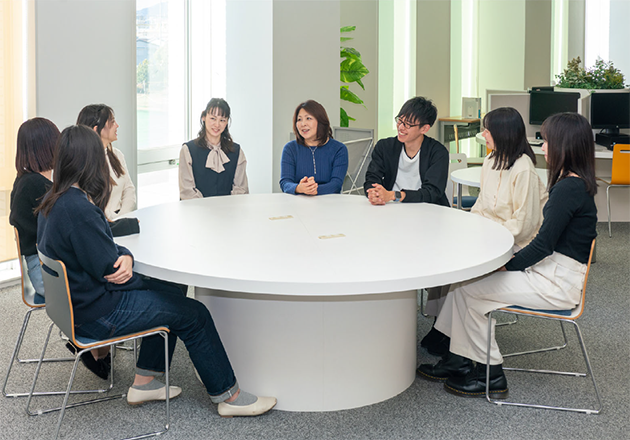
In addition to full-time academic staff, doctors, nurses, and technologists from the Faculty of Medicine’s Shizuoka Hospital, which is the core hospital for eastern Shizuoka Prefecture, work in close partnership with us to deliver education. Practicum instructors in clinical settings also serve as clinical nursing lecturers, carefully coordinating education in practical nursing settings and within the university, so that students can make a smooth transition to nursing practice after finding
employment.
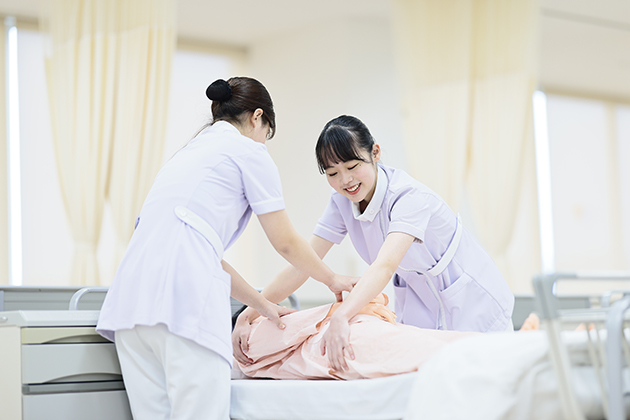
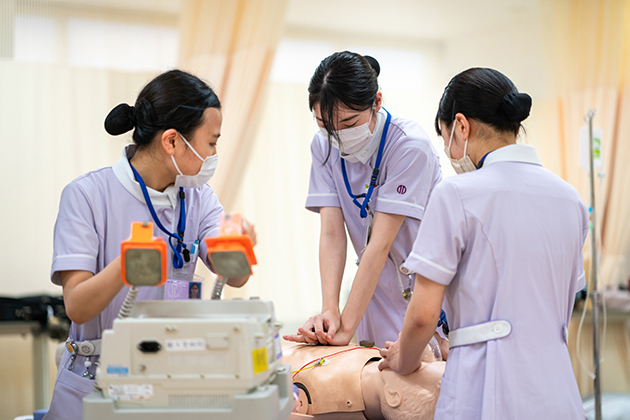
From the first year onward, with the assistance of emergency and critical care center doctors, flight nurses, anesthesiologists, and firefighters, students receive practical training at the university in the use of automated external defibrillators (AEDs)
and advanced dummies that enable students to put critical care techniques into practice. Students who take this class will be awarded a completion certificate for the Japanese Association for Acute Medicine’s Immediate Cardiac Life Support (ICLS) course. It enables students to learn based on a vision for becoming immediately effective nurses
who are capable of dealing with disasters.
The emergency and critical care center is a key treatment field at Juntendo’s Shizuoka Hospital, which is also the operational base hospital for the eastern and central Shizuoka Prefecture helicopter air ambulance. With flight nurse training set to become
an increasing focus, you will be able to gain highly valuable experience not available elsewhere.
We hope that you will enjoy spending four years at our faculty developing your physical and mental capabilities, and go on to achieve your dreams based on the specialist nursing skills cultivated here. Nursing professionals are in great demand and you will find it to be a highly rewarding and profound occupation.
We hope that you will enjoy spending four years at our faculty developing your physical and mental capabilities, and go on to achieve your dreams based on the specialist nursing skills cultivated here. Nursing professionals are in great demand and you will find it to be a highly rewarding and profound occupation.
Study Abroad
The Faculty of Health Science and Nursing is committed to international exchange, providing training at overseas nurse training facilities. Its goal is to ensure students develop international perspectives while making the most of their daily learning.
Overseas Training JINS
Since 2013, the Faculty of Health Science and Nursing has been conducting overseas training for 3rd year students, during which they visit hospitals, nurse training schools, nursing homes for the elderly, and integrated elementary and junior high schools in Finland and Sweden in Northern Europe. There are 30 participants every year. At each destination, there was a lively exchange of opinions on the medical situation in Finland, and the training provided fruitful opportunities to experience different cultures. JINS stands for Juntendo International Nursing Seminar, and ties in to the university motto of “Jin – I exist as you exist.”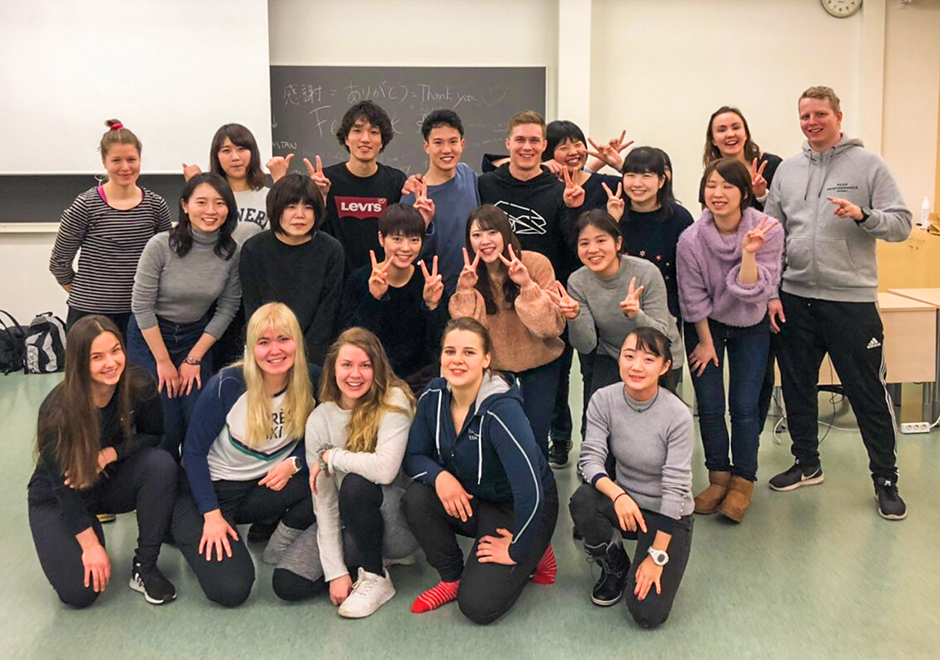
Student
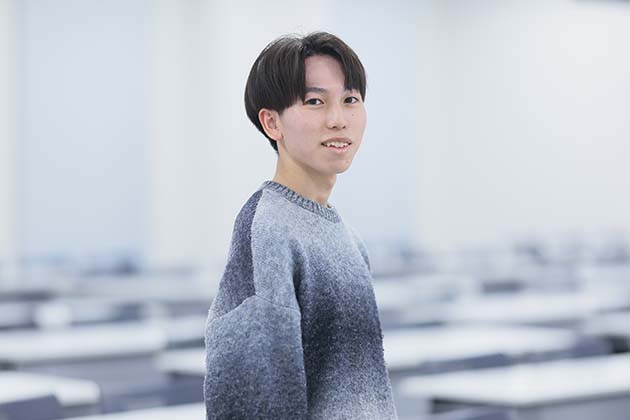
Developing New Perspectives, Appreciating Different ValuesLocation: Pasadena, California, USA
I participated in the short-term overseas study program to develop the communication skills I need to understand others and express my own feelings and opinions. Through interacting with people from diverse cultural and social backgrounds in LA, I gained a deeper awareness of the wide range of perspectives and values that exist in society. This experience challenged some of my preconceptions and taught me to appreciate different opinions and values. It deepened my understanding of cultural diversity and the importance of seeing things from different perspectives. In the future, I hope to become a healthcare professional who listens attentively to each patient and provides compassionate care tailored to their individual needs.
Voices
First Year Student
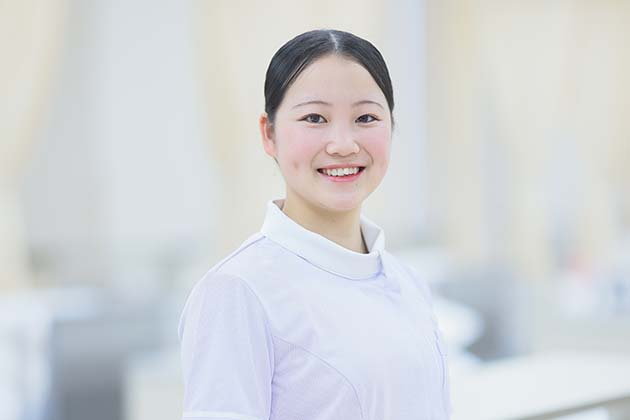
Strong Sense of Purpose Clarified the Path I Want to FollowI spoke with two nursing professionals and was surprised to learn that responsibilities can vary depending on the workplace, even within the nursing profession. I also learned that experienced nurses continue to learn throughout their careers. What left the strongest impression on me were the words of an ICU nurse who helps to sustain patients' lives: " I never overlook even the smallest change." The nurse's strong sense of purpose and dedication to patient care showed me the importance and dignity of the nursing profession. This experience gave me a new goal for the future: to become an ICU nurse.
Second Year Student
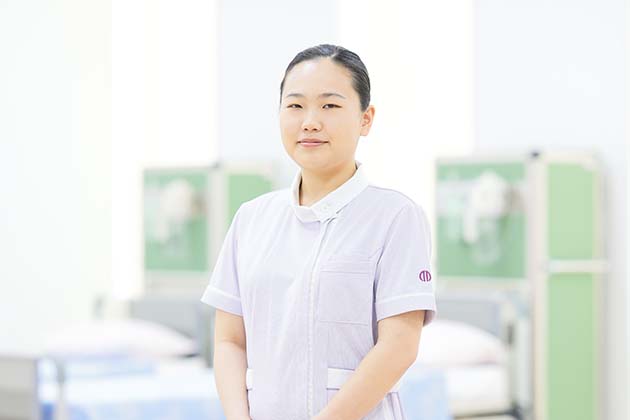
Focusing on Each Patient's Needs Taught Me to Respond FlexiblyI learned to recognize when a patient was feeling unwell by noticing an irregular pulse or subtle changes in facial expression. I also realized that sometimes it takes courage to change the nursing care plan for that day. Rather than simply following established procedures, it is important to first ask the patient, "What would you like to do right now?" and provide care suited to their individual needs. Through this experience, I developed the flexibility to respond to changes in each patient's physical and emotional condition instead of relying rigidly on a manual.
Student, Public Relations Committee
Supporting Prospective Students and Sharing Campus LifeAs members of the Student Public Relations Committee, we speak with prospective students and guide them around the campus during open campus events and faculty consultation and tour sessions. We answer a wide range of questions about university entrance examinations, student life, and clinical training.
Last year, we also began actively managing an Instagram account for student outreach, where we share club activities and everyday moments from campus life. We would be delighted if you followed us.
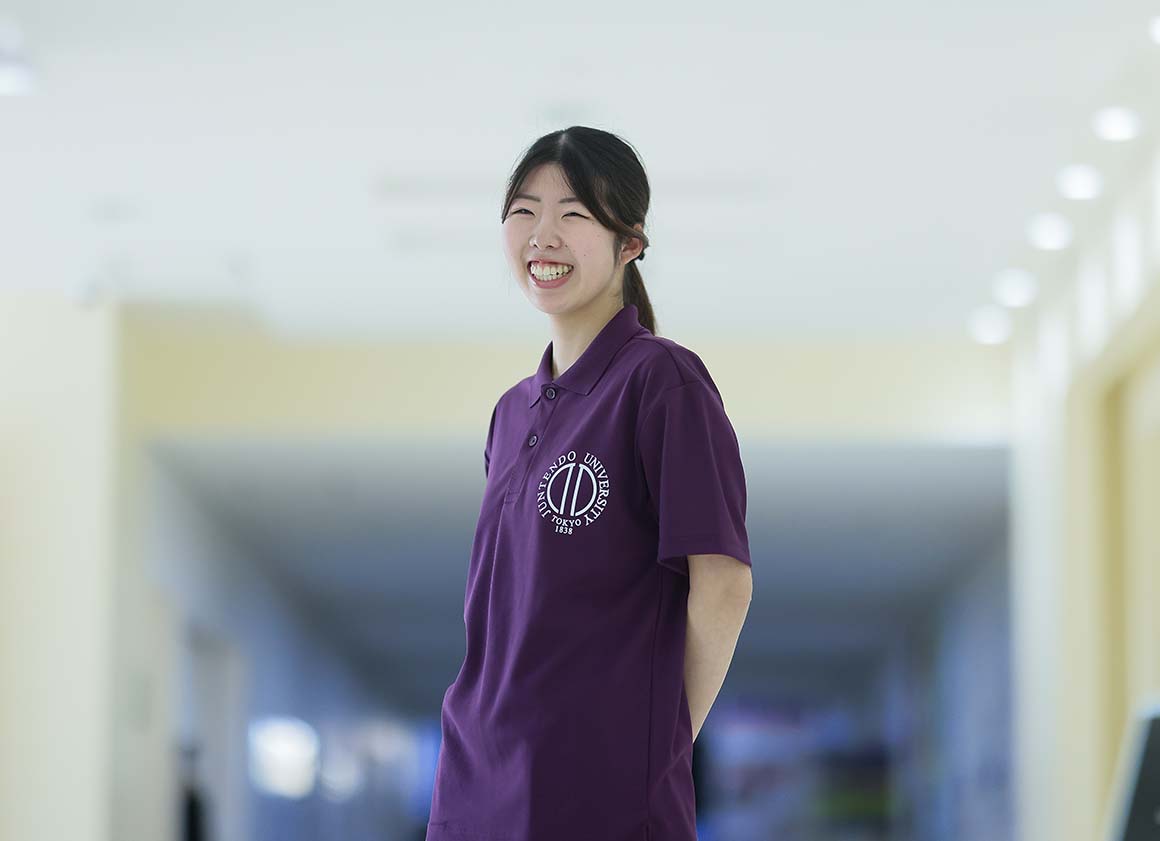
First Year Student
What did you envision for your future before you entered university?I learned about disaster rescue in a junior high school class and became inspired to become a flight nurse who can use my own skills and judgment to care for patients. I hope to pursue this dream at Juntendo, where Juntendo Shizuoka Hospital operates a helicopter air ambulance.
What have you been focusing on since you started living on your own?
Cooking for myself. Even on days when I am busy studying, I prepare the next day's bento while making dinner. My homemade lunches give me energy and help me stay healthy.
How do you refresh yourself?
I sit on a bench on campus and look at the sky and surrounding scenery. Spending time in Mishima's rich natural environment helps me relieve the fatigue from studying and return to my studies feeling refreshed and positive.
How do you spend your weekends?
I return to my family home in Tokyo, and on Saturdays I practice with the Faculty of Medicine's Kendo Club. Practicing alongside students from other faculties strengthens our sense of camaraderie and gives me opportunities to gain new perspectives and knowledge that I would not encounter on my own.
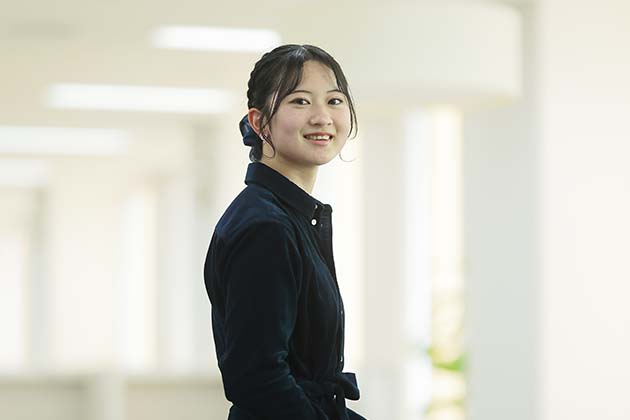
Second Year Student
Why did you choose this faculty?Juntendo is known for its strength in disaster medicine and offers opportunities to acquire advanced knowledge and skills, so I wanted to develop a strong foundation in nursing here. My goal is to become a warm and compassionate nurse who can support patients through emotional difficulty.
Were you concerned about studying in an environment with relatively few male students?
At first, I felt a little uncertain, but through clinical practicums and other activities, I found classmates with whom I can learn and grow regardless of gender. The bond among the male students is also very strong, and I am enjoying a full and rewarding student life.
What do you like about Mishima Campus?
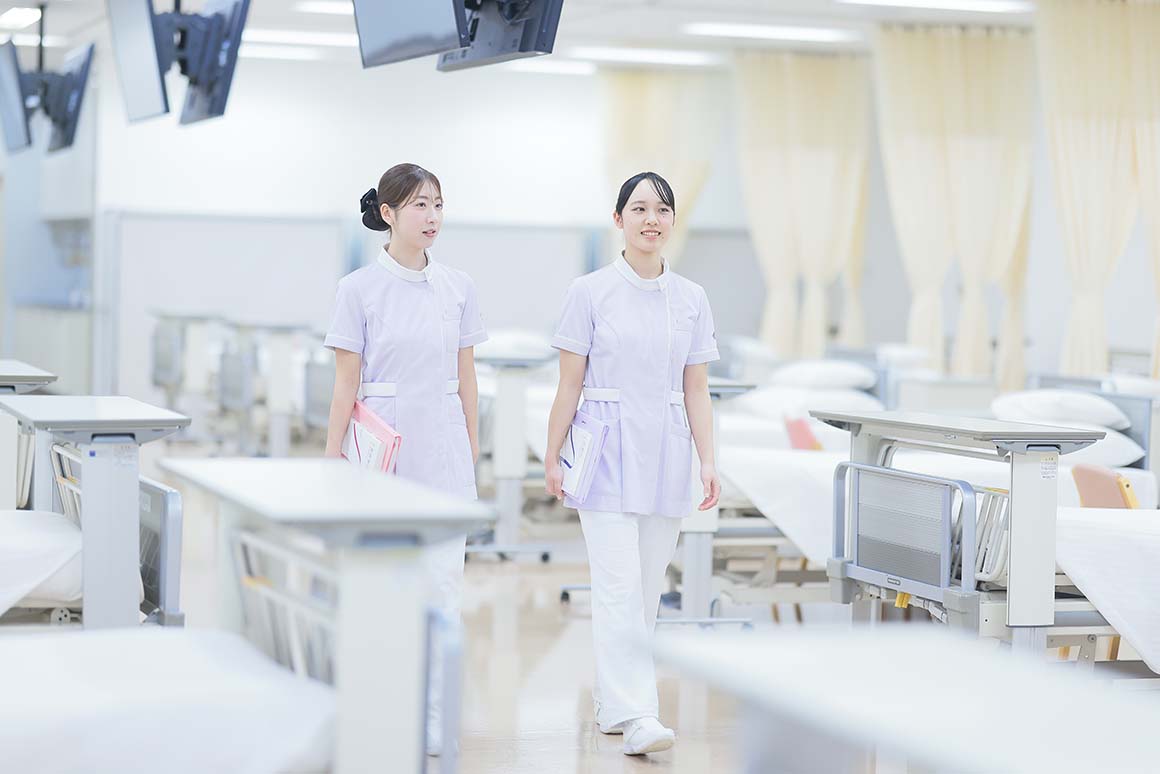
The campus has excellent facilities and equipment. I was surprised to find that it has as many as 40 hospital-style beds. Because we can use them without having to wait, we can make the most of our 90-minute classes and spend more time practicing our clinical skills.
How do you use your commuting time?
I watch on-demand lectures and work on assignments. I try to make the most of my commuting time so that I can study efficiently with focus while also making time for club activities and my part-time job.
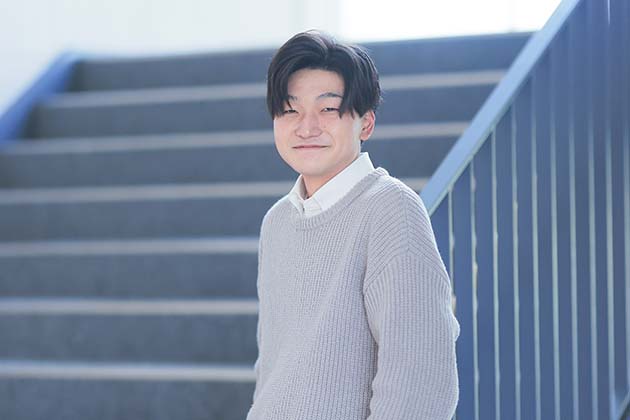
Second Year Student
Why did you choose this faculty?I was particularly drawn to the opportunity to pursue national licensure as both a nurse and a public health nurse. In the future, I hope to work in community healthcare and contribute to extending the healthy life expectancy of older adults.
What is your daily commute like?
I take the Shinkansen from my hometown of Yokohama to Mishima. It is surprisingly convenient with the journey taking about an hour and a half. I make good use of the travel time by working on assignments or taking a nap.
Are you involved in any clubs or student groups?
I am a member of DRC (Daiba River Clean), which organizes cleanup activities along the Daiba River near the campus. Paddling down the river on a stand-up paddleboard while taking part in the cleanup is also a great way to refresh myself.
What do you like about Mishima Campus?
Mishima Campus combines abundant natural surroundings with convenient Shinkansen access. The local community is also very welcoming. When people see me walking in my university polo shirt, they sometimes call out, “Keep up the good work!”
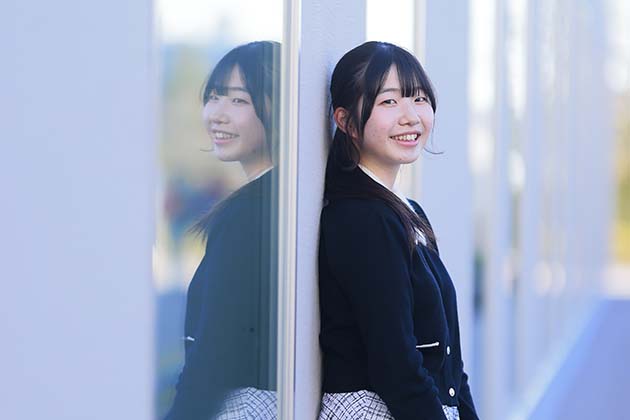
Student
Aspiring to provide empathetic and individualized patient careDuring my clinical training, I constantly reflected on whether my care—such as assisting with bathing and checking vital signs—was appropriate for the patients. I made an effort to actively engage in conversation to understand their feelings, even in casual daily exchanges that began with a simple “good morning.” When a patient expressed words of gratitude on their discharge day, I felt assured that my intentions had truly reached them. I aspire to become a nurse who can provide individually optimized care.
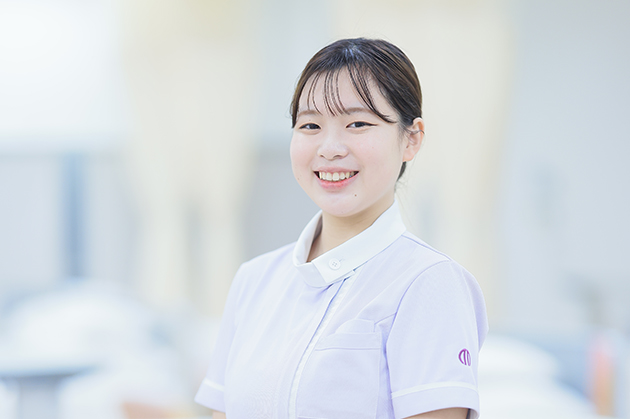
Student
Embracing difference perspectives to provide patient-centered care
I decided to participate in overseas training because I wanted to develop the ability to understand others’ words in their local language and to express my own feelings and opinions. Through exposure to a wide variety of perspectives during the training, my preconceived notions were challenged, and I learned to embrace a diversity of opinions and values. By drawing on this experience, which deepened my understanding of different cultures, I aspire to become a healthcare professional who can provide attentive care tailored to each patient’s individual needs.
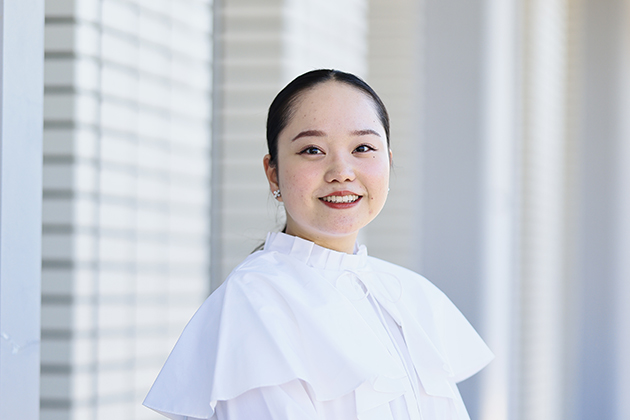
Student
Moved by the Mission of ICU NursesI spoke with two nurses. I was surprised to learn that even though they are in the same profession, their duties differ depending on their workplace, and that even veteran nurses continue learning. What left the strongest impression on me were the words of a nurse who supports patients’ lives in the ICU: “We never overlook even the smallest change.” With a sense of mission, their attitude toward work conveyed the dignity of the nursing profession. I have now set myself a new goal—to become an ICU nurse.
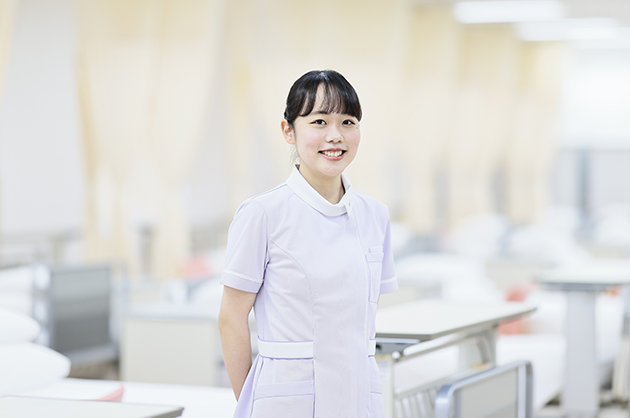
Student
Learning nursing’s challenges beyond classroom knowledgeDuring my two-week practicum, I was assigned to care for a patient with aspiration pneumonia, and I realized firsthand the difficulty of providing support when things do not go as planned. Even though I had studied knowledge and techniques in the preliminary training, I still lacked the experience to deliver individualized care tailored to each patient’s needs in the nursing setting. Going forward, I hope to continue building my skills, develop the ability to respond flexibly to unexpected situations, and cultivate an observant eye that does not overlook even the smallest changes.
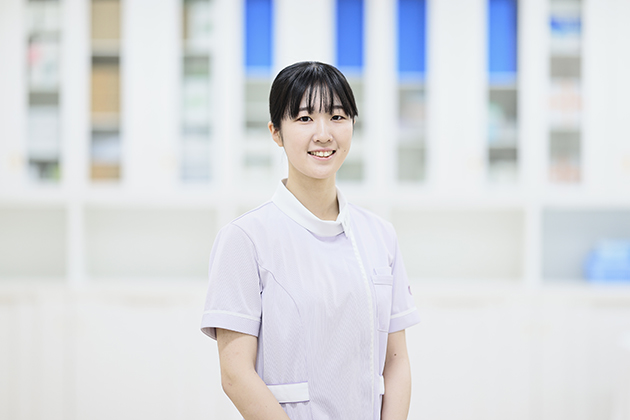
Student
Learning the true depth of home nursingHome nursing takes place in an environment very different from a hospital, where everything is readily available. Nurses must provide comprehensive care not only for the patient but also for their family. Seeing firsthand the seamless support provided in home nursing—which does not end with hospital care but takes into account the patient’s life after discharge—made me realize the importance of such support. I was deeply impressed by the high level of expertise and experience required to provide care that reaches the heart, and my admiration for home care nurses has grown stronger.
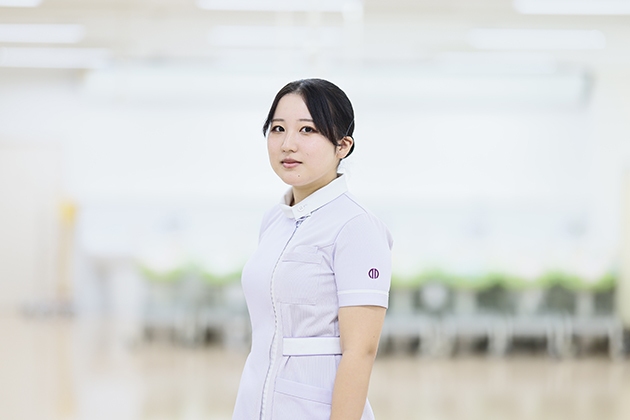
Graduate
Applying nursing background to community health supportThe reason I chose the path of becoming a public health nurse was that, through hospital training, I realized the importance of supporting patients’ lives after discharge, and I wanted to engage in community-based health activities. As a public health nurse with nursing knowledge, I hope to contribute to building better health in Mishima, Shizuoka.
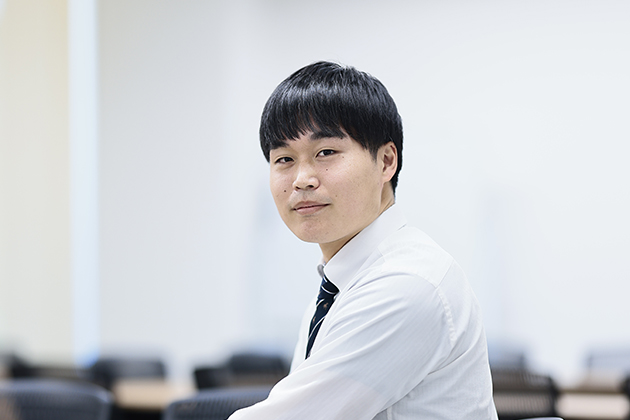
Graduate
Nursing with compassion, tailored to each individualTo imagine how a patient feels and provide them with something that truly brings them joy—this is what I believe “nursing tailored to each individual” means. Guided by the nursing perspective I developed during my training, I will continue to stand by patients with compassion.
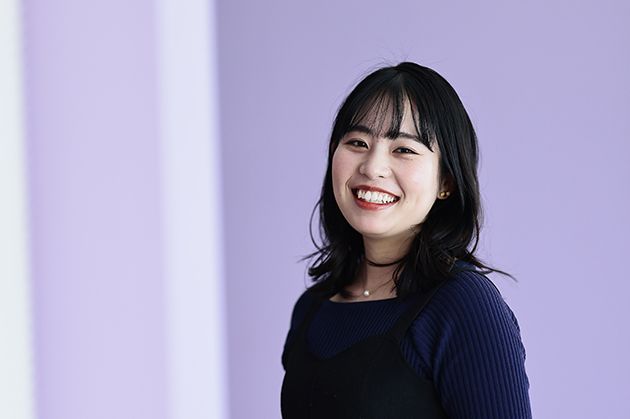
Graduate
Supporting the joy and responsibility of birthI take pride in my work, which allows me to witness the great event of a new life being born and to share in that joy. Although there are moments of tension when things do not go exactly as described in textbooks, I will do my best so that people feel glad they entrusted me with such responsibilities.
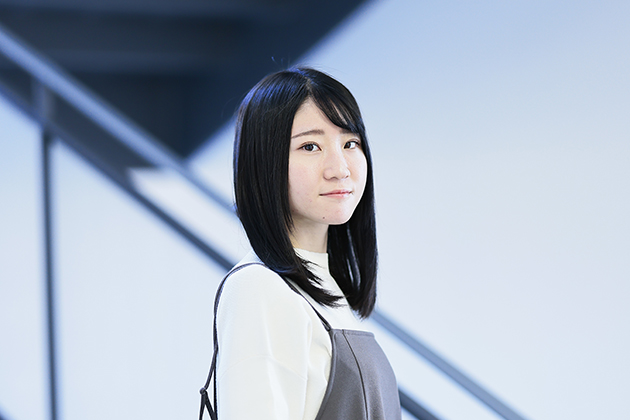
Graduate
Advanced neurosurgical nursing, dedicated to patient careIn my initial assignment to the neurosurgery ward, I realized the necessity of nursing skills specialized in this field. I obtained certification as a certified nurse and also completed training in specified procedures. With a commitment to providing even better nursing care, I will also dedicate myself to training and nurturing the next generation.
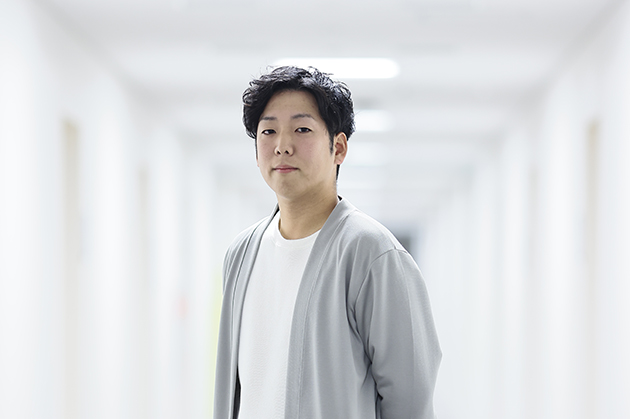
Student
Q1. Did you know about Juntendo University before?Yes. I knew about it because my grandmother was once treated at the Shizuoka Hospital affiliated with Juntendo. I also often heard the name “Juntendo” during live coverage of the Ekiden relay races, so I recognized it as a university strong in long-distance running.
Q2. Why did you choose this faculty?
Because I can aim to become both a public health nurse and a registered nurse. By obtaining two qualifications, I believe I will broaden my career opportunities and be able to contribute without being confined to a single framework.
Q3. Are you involved in any club activities or societies?
Yes, I belong to the Remote Island Research Club. During summer vacation we go to Hachijojima, and for spring break training we handle everything ourselves—from choosing the destination, to making requests to local medical institutions and government offices, and arranging accommodations.
Q4. What do you find appealing about the Mishima Campus?
The greatest appeal is the closeness to the professors. I can easily consult them not only about my studies and training but also about everyday concerns. I often run into professors on my way to and from campus and have casual conversations with them.
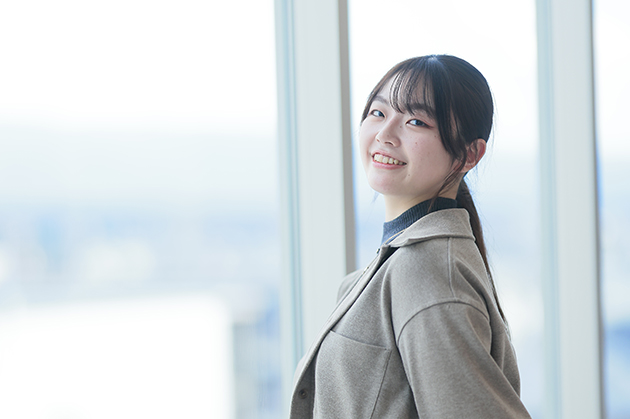
Student
Q1. What dream did you have before entering the university?I wanted to become a flight nurse. When my grandmother was hospitalized at an affiliated hospital, I admired the doctor helicopter I could see from her room, and I dreamed of one day providing emergency care on the frontlines of saving lives.
Q2. Are you involved in any club or circle activities?
Yes, I’m in the volleyball club, which I’ve continued since junior high school. During long vacations we hold joint training camps with other faculties, where we strengthen our bonds through matches and practice.
Q3. What is your favorite place on campus?
The athletic field and the gymnasium. Exercising helps me recover my energy and focus after studying. Since they’re always available for use, I work out almost every day to refresh myself.
Q4. Please share a message for prospective students.
Don’t worry if there aren’t many male students—an enjoyable student life awaits you. In fact, being in the minority helps foster close connections across year groups. There’s no need to feel uneasy.
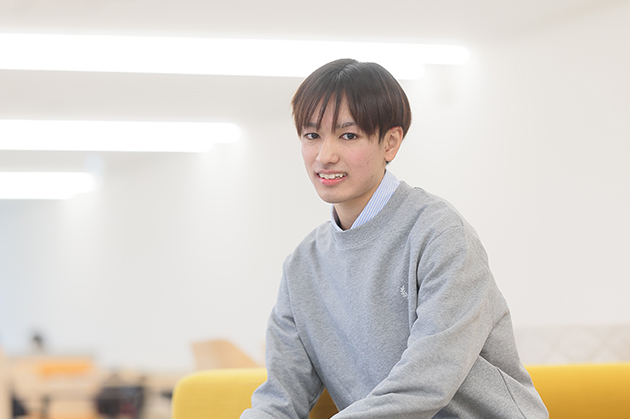
Student
Q1. What dream did you have before entering the university?I aim to become a pediatric nurse, inspired by the experience of my much younger brother being hospitalized. I want to be like the nurse who empathized with my mother’s feelings as she cared for him and offered compassionate support.
Q2. How do you spend your private time?
On weekends without classes, I devote time to part-time jobs. I work both as a server at a restaurant and as a shrine maiden (miko) at a Shinto shrine. Although the roles are completely different, both provide valuable lessons that I believe will benefit me in the future.
Q3. What is your favorite place on campus?
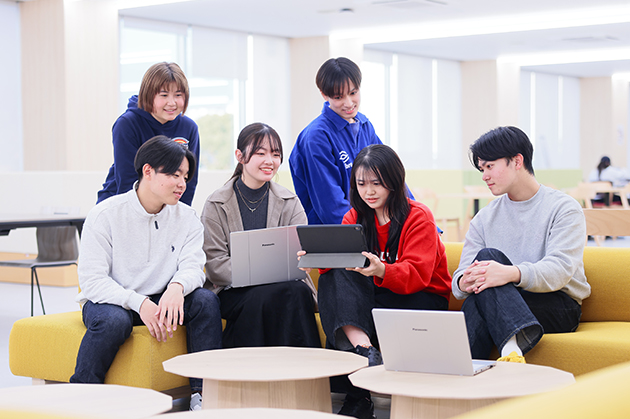
The Learning Commons in Building 2. Since it’s newly built, everything is modern, and the open atmosphere makes it extremely comfortable. I go there almost every day during lunch breaks.
Q4. Please share a message for prospective students.
When you feel worn out from studying, take time to learn more about the university and imagine your future student life here. That vision will become an important source of motivation and give you renewed strength.
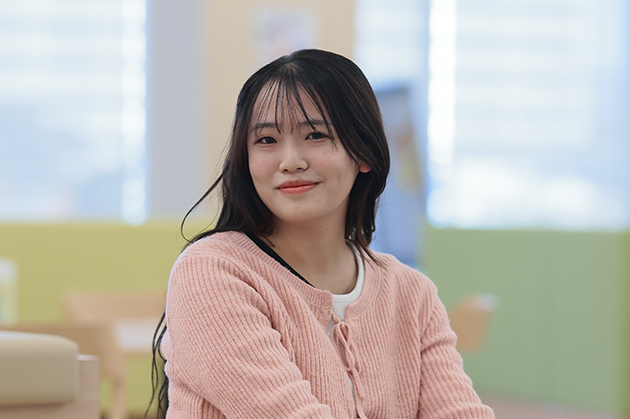
Student
Q1. Why did you choose this faculty?I am interested in becoming a flight nurse, so the fact that an affiliated hospital operates a doctor helicopter was very appealing. Another reason was the active club culture on campus.
Q2. Are you involved in any club or circle activities?
Yes, I belong to two athletic clubs and two cultural clubs at the same time. Although it keeps me busy, each club offers valuable learning experiences, making my student life stimulating and fulfilling.
Q3. How do you spend your private time?
I work part-time three to four times a week, and on Saturdays I join a softball practice outside the university. I’ve also learned to make good use of my time, such as studying during small breaks.
Q4. What do you find appealing about the Mishima Campus?
The way nature and the city coexist in harmony. Seeing Mt. Fuji through the window feels almost like looking at a familiar hometown mountain, which is soothing and brings me peace of mind.
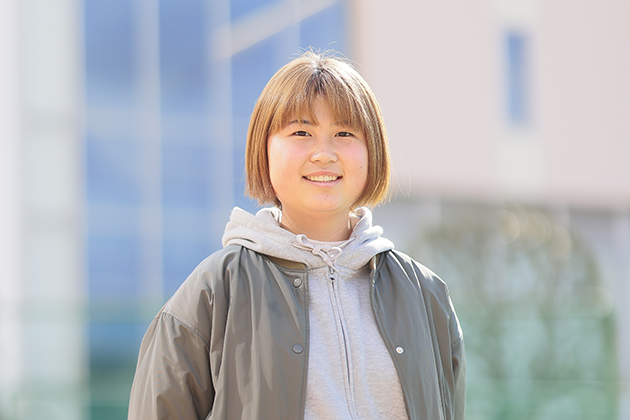
Student
Q1. Why did you choose this faculty?Because I wanted to study emergency and disaster medicine in depth and contribute to the local community. When I searched for hospitals actively engaged in community service, the affiliated hospital appeared among the top results.
Q2. What dream did you have before entering the university?
I aspired to become a nurse specializing in emergency and disaster care. I want to build my experience as a nurse and eventually challenge myself to obtain certification as a specialist nurse.
Q3. What is your favorite place on campus?
The Learning Commons in Building 1. Since the new building was constructed, fewer students use it, so it feels spacious and relaxing. Friends naturally gather there, and we enjoy chatting together.
Q4. What do you find appealing about the Mishima Campus?
Many students here have strong communication skills, so it’s easy to become friends even with people you’ve just met. Because there are also many classmates from my high school, I quickly made a lot of new friends.