
What is the International Collaborative Research Administration (ICRA)?
Juntendo University has concluded numerous MOUs with overseas universities to date. Based on this, on April 1, 2021, with the aim of strengthening collaboration with overseas universities, the International Collaborative Research Administration (ICRA)
was established within the university, with President Hajime Arai (at the time) as its first director and Dean of the Faculty of Medicine Hattori (at the time) as its first deputy director. In addition to the existing collaboration with Peking University,
ICRA also began collaborations with Johns Hopkins University (JHU) and Vanderbilt University (VU) in the United States. Subsequently, comprehensive agreements were also obtained with the University of Pittsburgh, UC Davis, and Mahidol University (Thailand),
and joint research has begun. President Daida, the second Director of the organization, aims to further strengthen the collaboration between Juntendo University and top-class overseas universities, build a solid international cooperation system that
contributes to the university's research, disseminate and return the results to society, and contribute to academic research worldwide.
Director Hiroyuki Daida,President of Juntendo University
Juntendo’s tradition of international exchange dates back to its third Director, Susumu Sato, who became the first Asian to study at the University of Berlin, holding Japan’s first official passport and earning a Doctor of Medicine degree. Since that time, Juntendo has valued a global perspective and the importance of mutual respect and learning across cultures.Established in April 2021, the International Collaborative Research Organization carries forward this legacy. It actively promotes international joint research with leading institutions such as Peking University, Johns Hopkins University, the University of Pittsburgh, and Mahidol University in Thailand. Today, our collaborations extend beyond research exchange. We also dispatch students for clinical training at Johns Hopkins University, achieving meaningful outcomes in both education and research.
As of August 2025, Juntendo has established partnerships with 95 institutions across 29 countries and regions worldwide. Through the International Exchange Center as the central coordinating office, we welcome approximately 300 short-term trainees annually to our affiliated hospitals under the Clinical Observation Program.
Moving forward, we will continue to support the international activities of young researchers and students, striving to contribute to society as a comprehensive health sciences university.
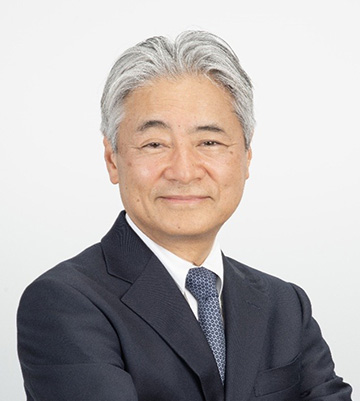
Sub Director Kazuhisa Takahashi (Dean)
Amidst the rapidly changing environment surrounding international healthcare, Juntendo University aims to accurately grasp global trends and produce higher-quality .research outcomes. We will actively share new research findings and clinical insights with overseas researchers. To enable our researchers to contribute to society through their work, the International Collaborative Research Organization will further deepen ties with partner institutions and establish a framework to proactively address global healthcare challenges

Organizational Structure
ICRA
| ICRA Position
| Name | Juntendo University Affiliation | Projects / Programs |
| Director | Hiroyuki Daida | President | |
| Vice Director | Kazuhisa Takahashi | Dean, Faculty of Medicine
Professor of Respiratory Medicine | |
| Deputy Director | Hajime Orita | Medical Education | Johns Hopkins-Juntendo Surgery Project |
| Professor | Yutaka Kondo | Faculty of Medicine, Emergency & Disaster Medicine | Harvard Program |
| Professor | Manabu Funayama | Research Institute for Diseases of Old Age | Johns Hopkins-Juntendo Neurology Project |
| Associate Professor | Takehiro Yasukawa | Faculty of Medicine, Molecular Pathogenesis | Overseas Exchange in Fundamental Research Johns Hopkins-Juntendo Oncology Project |
| Associate Professor | Keisuke Usui | Faculty of Health Science |
| ICRA Position | Name | Institutions Affiliation
| Project
|
| Visiting Professor | Ryo Matoba | DNA Chip Research Inc. |
|
| Visiting Professor
| Malcolm Brock
| Johns Hopkins University
| Johns Hopkins-Juntendo Oncology Project
|
| Visiting Associate Professor | Errol Bush | Johns Hopkins University | Johns Hopkins-Juntendo Surgery Project |
| Visiting Associate Professor | Tina Kumra | Johns Hopkins University
| Medical Interview Training Instructor |
Juntendo University - Mahidol University ICRA Center
| ICRA Position
| Name | Juntendo University Affiliation
| |
| Center Head | Toshio Naito | Faculty of Medicine, General Medicine | |
| Vice Center Head | Hirotake Mori | Faculty of Medicine, General Medicine |
| ICRA Position | Name | Juntendo University Affiliation
| |
| Center Head | Hiroshi Iwata | Faculty of Medicine, Cardiovascular Biology and Medicine |
Partner Universities
- Johns Hopkins University, USA
- Mahidol University, Thailand
- Peking University, China
- University of California, Davis, USA
- University of Pittsburgh, USA
- Vanderbilt University, USA
Research Projects
Johns Hopkins-Juntendo Neurology Project
Elucidating the Link Between 22q11.2 Deletion and Parkinson’s Disease Through Patient Genomics and Nerve Biopsy AnalysisThis neurology project investigates the relationship between the 22q11.2 deletion—the most common pathogenic chromosomal deletion—and Parkinson’s disease, the second most prevalent neurodegenerative disorder after Alzheimer’s disease. By integrating patient genomic profiling with detailed analyses of peripheral nerve biopsies, the study aims to uncover molecular mechanisms shared by these two major neurological diseases and to identify targets for novel therapeutic development. Through the synergistic collaboration between Johns Hopkins University and Juntendo University, the project leverages the strengths of both institutions to generate impactful scientific advances.
PIs: Nobutaka Hattori, Akira Sawa
Johns Hopkins-Juntendo Oncology Project
Development of Therapeutic Strategies Targeting the Premetastatic Niche Using MDSCs as Biomarkers
(Demethylation Therapy for Recurrence and Peritoneal Dissemination Prevention After Curative Surgery for Advanced Gastric Cancer)This study positions myeloid-derived suppressor cells (MDSCs) as a key biomarker of the pre-metastatic tumor microenvironment. We aim to establish novel therapeutic strategies for the early detection and targeting of the pre-metastatic niche formed prior to metastasis. Furthermore, we seek to deepen our understanding of the interactions between cancer cells and various non-
malignant cells within the tumor microenvironment (TME). By elucidating the mechanisms by which the TME induces resistance to anticancer drugs, we aim to translate these findings into clinical applications for treatment and diagnostic markers. In addition, we will strengthen our collaborative research and educational framework by facilitating the exchange of postdoctoral fellows, graduate students, and undergraduates between the two institutions, thereby fostering the long-term advancement of cancer research.
PIs: Takehiro Yasukawa, Malcolm Brock
Johns Hopkins-Juntendo Pathology Project
Determining prenatal stress impact on placenta and fetal well-beingA fetal origin to various adult disease has been epidemiologically associated with prenatal stress in pregnant women. We determined that prenatal stress increased sensitivity to carcinogens and amplifies atherosclerosis in adult mice who were previously exposed to in utero stress. This study focuses on the stress period itself and the molecular response of the fetus and the placenta. This research aims to identify biomarkers in the blood. With stress biomarkers developed, stress reducing methods can be tested for translation to pregnant women for stress prevention.
PIs: Harumi Saeki, Kathleen Gabrielson
Johns Hopkins-Juntendo Pediatric Surgery Project
Investigation of Novel Risk Factors for Necrotizing Enterocolitis Through a Comparative Analysis of Cases Between Japan and the United StatesNecrotizing enterocolitis (NEC) is a life-threatening inflammatory intestinal disease that predominantly affects premature infants. In recent years, its increasing incidence has become a significant concern, and notable regional differences in prevalence have been recognized, although the underlying reasons remain unclear. In this study, a collaborative effort between Johns Hopkins University and Juntendo University will conduct a comprehensive comparative analysis focusing on differences in NEC incidence between Japan and the United States. The aim is to identify novel factors that promote or suppress the onset of NEC. Furthermore, by investigating the biological effects of these key candidate factors, we will evaluate their potential as future targets for prevention and therapeutic intervention.
PIs: Kazuto Suda, David Hackam
Johns Hopkins-Juntendo Surgery Project
International Evaluation of a Novel Cholangiocarcinoma Panel and Global Deployment of the Existing Lung Cancer Compact PanelThis study aims to validate the international utility of a newly developed cancer panel and to establish an implementation platform for the global deployment of the existing lung cancer compact panel. Building upon the high-precision compact panel technology developed by DNA Chip Research Inc., the project also seeks to expand this platform toward future applications, including early detection markers for transplant rejection and molecular panels tailored for xenotransplantation. Through these efforts, we aim to create a next-generation diagnostic platform applicable across a broad spectrum of clinical settings—from cancer diagnostics to transplant medicine.
PIs: Hajime Orita, Errol Bush
Pittsburgh-Juntendo Collaboration Project
Development of Regenerative Therapies Using Adult Stem CellsThis international collaborative project between the University of Pittsburgh and Juntendo University aims to develop regenerative therapies utilizing adult stem cells and related cellular technologies. At Juntendo University, we have developed ex vivo-expanded peripheral blood mononuclear cells (MNC-QQ cells/ RE-01 cells), which are cell population enriched in adult stem cells with excellent angiogenic and tissue-repair capacities. In this project, we utilize these cells to regulate adult stem cell differentiation, optimize the microenvironment that promotes tissue repair, and integrate these approaches with biomaterials. Through these efforts, we aim to establish innovative regenerative strategies for intractable diseases and facilitate their translation into clinical applications.
PIs: Rica Tanaka, J. Peter Rubin
UC Davis-Juntendo Collaboration Project
International Collaborative Study to Evaluate the Safety and Efficacy of Induced Regulatory T Cells in U.S. Kidney Transplant RecipientsThis international collaborative study aims to evaluate the safety and therapeutic efficacy of induced regulatory T cells (iTregs) in kidney transplant recipients in the United States. The project will comprehensively assess the extent to which iTregs suppress alloreactive immune responses, reduce the incidence of graft rejection, and potentially lessen the need for conventional immunosuppressive medications. Furthermore, by analyzing post-treatment immune dynamics and changes in graft function, the study seeks to establish optimal dosing strategies and clinical evaluation metrics to advance the clinical application of iTreg-based cell therapy.
PIs: Koichiro Uchida, Junichiro Sageshima
Vanderbilt-Juntendo Collaboration Project
Assessment of Nivolumab Sensitivity in Advanced Esophageal Cancer Using Single-Cell RNA SequencingThis study aims to elucidate the molecular basis of Nivolumab sensitivity in advanced esophageal cancer through high-resolution single-cell RNA sequencing. By characterizing the heterogeneity of tumor and immune cell populations, including the functional states of exhausted T cells and features of the immunosuppressive tumor microenvironment, the project seeks to identify specific cell subsets and pathways that determine therapeutic responsiveness. The ultimate goal is to develop novel biomarkers and therapeutic targets that enhance the efficacy of immune checkpoint blockade.
PIs: Motomi Nasu, Mike Gibson
Mahidol-Juntendo Collaboration Project
Japan–Thailand Collaborative Research on Infectious Diseases, Lifestyle-Related Diseases, and IT-Enabled Medical EducationThis international collaborative project aims to comparatively analyze the current status of infectious diseases and lifestyle-related diseases in Japan and Thailand, identifying shared public health challenges and potential preventive strategies. In addition, the project will jointly develop IT-based remote medical education programs to enhance the quality of clinical training and strengthen healthcare workforce development. Through these academic collaborations, the initiative seeks to advance medical and educational systems in both countries and establish a sustainable foundation for long-term international partnership.
PIs: Toshio Naito, Hirotake Mori
Peking-Juntendo Collaboration Project
Pilot Awards- Development and validation of a novel combined cell therapy using injectable arterial vascular organoids (AVOs) and RE-01 cells for treating ischemic diseases. PIs: Rica Tanaka, WANG Kai
- Investigating Regional Differences in Blood EPA Levels Among Secondary Prevention Patients with Atherosclerotic Diseases in Japan and China. PIs: Hiroshi Iwata, CUI Ming
- Dissecting the TME of the pancreatic cancer organ specific metastases. PIs: Akio Saiura, MA Yongsu
- Mimosa-inspired Curling Bioadhesive Promotes Peripheral Nerve Regeneration Through Vascular Reconstruction. PIs: Haruka Kaneko, ZHANG Peixun
Discovery Awards
- Comparison of clinical characteristics, medicine use and kidney function progression among patients with diabetic kidney disease managed in tertiary hospitals between China and Japan. PIs: Yuichiro Yano, WANG Jinwei
- Development of NRP2-Targeted ROS-Responsive Nanoprobes for Early Diagnosis and Therapy of Abdominal Aortic Aneurysm. PIs: Yasutaka Yokoyama, LI Wei
- Oral Frailty in Japan and China: Integrating Community Engagement with AI Technologies. PIs: Motoyuki Yuasa, YAO Yao
- Study on the Role of Fibroblasts in Immune Checkpoint Inhibitor-Associated Myocarditis. PIs: Akira Orimo, WENG Liang
- Mechanistic Study on Artemisinin in Mitigating Multidimensional Cancer Risks in Obesity. PIs: Isao Naguro, PAN Yan
- Pilot Study Protocol on Aortic Expansion Rate and Hemodynamic Parameters by 4D Flow MRI in Patients with Mildly Dilated Thoracic Aorta. PIs: Minoru Tabata, ZHANG Zhe