Graduate School of Medical Science
Master's Program
The Graduate School of Medical Science offers a practical master’s program designed for students who aim to contribute to advanced medical care through clinical laboratory technology, clinical engineering, research, and education. Through basic, specialized, and research-based courses, students develop the knowledge, skills, and ethical awareness needed to work in clinical, research, and academic settings.
Curriculum and Learning Process
Students develop their knowledge step by step, beginning with common basic courses and then moving on to specialized basic courses, core elective courses, advanced courses, and research/thesis courses. This gradual curriculum allows students to acquire both practical skills and research abilities while preparing for careers in clinical, research, and academic settings.
Common Basic Courses → Specialized Courses → Advanced Courses → Research and Thesis
Master's Courses
Master’s Course in Clinical Laboratory Technology
This course develops professionals who can apply advanced clinical testing techniques based on scientific evidence, accurately understand pathological conditions, and contribute to the improvement of laboratory testing and medical care. Students also develop the knowledge and skills needed to support education, research, and the development of new testing technologies.
Master's Course in Clinical Engineering
This course develops professionals who can contribute to the provision of safe and effective medical care by acquiring advanced expertise in the operation and management of medical equipment, including AI and ICT. Students also develop the skills needed to support the development, use, and evaluation of medical technologies in clinical settings.
Course Selection Models
Students choose specialized courses according to their academic interests and future career goals. Each course is designed to help students develop advanced knowledge and practical skills in their chosen field.
Clinical Laboratory Technology
Advanced Analysis for Clinical Laboratory Technology: Students study pathological analysis, infectious disease analysis, and advanced laboratory diagnostics to better understand clinical conditions and support accurate diagnosis.
Advanced Technical Skills for Clinical Laboratory Technology: Students study specialist clinical laboratory technology, day-to-day laboratory testing, and laboratory management to develop practical skills for clinical and research settings.
Clinical Engineering
Core Clinical Engineering Courses: Students learn applied technologies that support the foundations of medical technology and clinical engineering.
Innovative Clinical Engineering Courses: Students study creative approaches to developing new medical devices, therapies, and medical technologies.
Advanced Clinical Engineering Courses: Students acquire specialized knowledge and skills for the operation and clinical application of advanced medical devices.
Research Supervision
From Basic to Applied and Advanced Knowledge
The Graduate School of Medical Science provides practical education and systematic research support to foster professionals and researchers who can contribute to advanced medical care and future developments in medical science.
Faculty members provide close research supervision for each student’s master’s thesis, offering step-by-step support from selecting a research topic and reviewing previous studies to conducting data analysis and presenting results.
Through this process, students develop the ability to identify research questions based on issues found in clinical settings and to produce research outcomes that contribute to the advancement of medical care.
Research and Thesis Courses
- Special Research in Clinical Laboratory Technology I
- Special Research in Clinical Laboratory Technology II
- Special Research in Clinical Engineering I
- Special Research in Clinical Engineering II
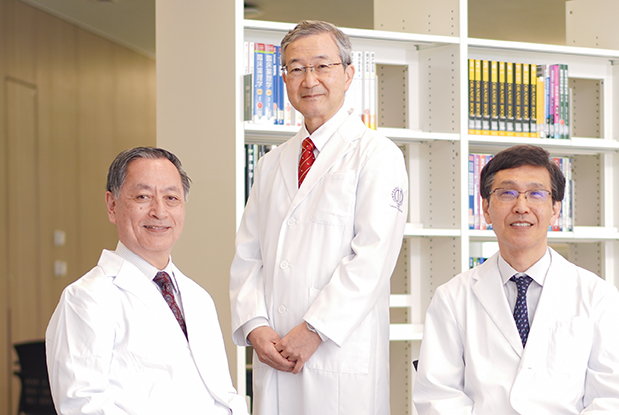
Clinical Laboratory Technology
Specialized Study
Advanced Analysis for Clinical Laboratory Technology: Students study pathological analysis, infectious disease analysis, and advanced laboratory diagnostics to better understand clinical conditions and support accurate diagnosis.
Advanced Technical Skills for Clinical Laboratory Technology: Students study specialist clinical laboratory technology, day-to-day laboratory testing, and laboratory management to develop practical skills for clinical and research settings.
Career Paths
- Leadership roles such as manager or technical director at a large hospital
- Specialist roles in clinical laboratory testing and quality improvement in medical care
- Research and development in pharmaceutical or medical device fields
- Public health work or clinical trial coordination
- Advancement to a doctoral program as a researcher or educator
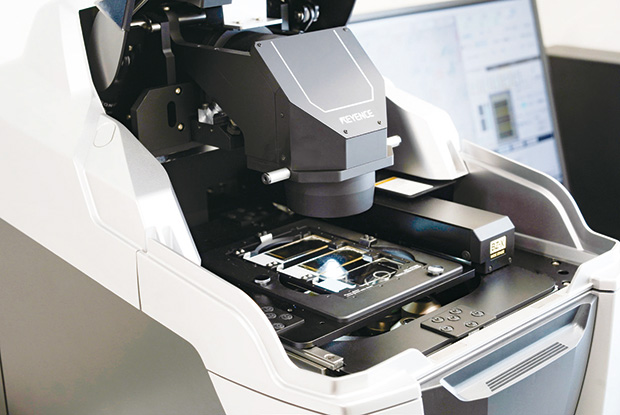
Clinical Engineering
Specialized Study
Core Clinical Engineering Courses: Students learn applied technologies that support the foundations of medical technology and clinical engineering.
Innovative Clinical Engineering Courses: Students study creative approaches to developing new medical devices, therapies, and medical technologies.
Advanced Clinical Engineering Courses: Students acquire specialized knowledge and skills for the operation and clinical application of advanced medical devices.
Career Paths
- Leadership roles at medical institutions supporting early-career clinical engineers
- Specialist roles in managing and operating advanced medical devices, including AI-equipped equipment
- Research and development in medical equipment and device manufacturing
- Service engineering and safety assessment roles
- Advancement to a doctoral program as a researcher or educator