Research Centers

Exploring the Relationship Between Sports and Health Using Cutting-Edge Science for Children, Seniors, and Top Athletes

Director
Institute of Health and Sports Science & Medicine, Juntendo University Graduate School of Health and Sports Science
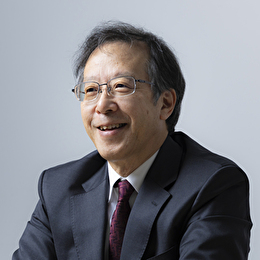
Dr. Hisashi Naito

The Institute of Health and Sports Science & Medicine at Juntendo University is uncovering how sports and exercise shape human health across the lifespan from early childhood to healthy aging and peak athletic performance. For Prof. Hisashi Naito and his team, the goal goes far beyond athletic competition. Their work is about understanding how the body responds to exercise, using those insights to help children grow up healthy, seniors stay active longer, and top athletes reach new levels of performance.

A hub for investigating the relationship between sports and health

Juntendo University has a long-standing tradition of exploring health from two complementary perspectives: medicine to treat illness and physical education to promote well-being. Building on this philosophy, the Institute of Health and Sports Science & Medicine was established in 2005 to advance the both physical and mental health and to enhance quality of life.


In recent years, the benefits of sports and regular exercise in preventing and managing lifestyle-related conditions such as diabetes, hypertension, locomotive syndrome, and dementia, have become widely recognized. The Institute, however, takes a broader view, conducting research not only in preventive medicine but also in fields such as child growth and development and athletic performance enhancement.


Research at the Institute spans a wide spectrum, from using exercise to prevent lifestyle-related diseases to enhancing athletic performance. Despite this diversity, all our work is grounded in the principles of sports, health, and medical science, and we believe that integrating these fields can create a positive, reinforcing cycle.


For example, in studies designed to boost elite athletic performance, researchers explore what makes top athletes exceptional. Using approaches such as sports biomechanics, exercise physiology, sports genetics, sports psychology, and coaching science, the goal is to help athletes reach even greater heights. This approach is similar to how automobile manufacturers participate in Formula 1 racing, where investments in cutting-edge technology yield innovations that eventually benefit everyday vehicles. Likewise, insights from elite athletes can help improve physical function and quality of life for the broader population, including children.

Fifty years of fitness data from 10,000 students and alumni

One of the Institute’s most significant projects is the Juntendo University cumulative physical constitution and fitness measurement study: J-Fit+ Study. This project collects data on the physical fitness and physique of students and alumni from the Faculty of Health and Sports Science, creating a comprehensive database that supports research both within and outside the university.


Since 1969, Juntendo University has systematically recorded students’ physical fitness and physique. This enables analysis linking physical data with lifestyle habits, athletic history, and injury records during university, as well as follow-up assessments after graduation. Through alumni health checkups and surveys, the Institute also investigates relationships between earlier fitness levels and later-life health outcomes.


Over more than 50 years, this dataset has grown to include 10,000 individuals. Tracking participants from their 20s to 70s provides longitudinal data that is exceptionally valuable, even from a global perspective. To maximize its utility, ICT systems and databases have been developed to facilitate data sharing and collaborative research. In addition, a genetics research unit has been established to integrate genetic information with the J-Fit+ dataset, expanding the potential for multifaceted studies on health, ageing, and performance.

Using athletes’ genetic data to improve competitive performance

Among the Institute’s published studies is a large-scale study analysis of genetic factors related to injuries in over 2,000 athletes. The findings showed that female athletes with the CC or AC variants of the A/C polymorphism in the type I collagen α1 chain gene tend to have softer muscles, which lowers their risk of muscle injuries, but increases their risk of stress fractures due to reduced bone density. These insights could inform the development of personalized injury-prevention training, tailored nutritional strategies, and guidance for selecting sports best suited to an individual’s genetic profile.

Building on this, the competitive performance improvement support project explored the previously unclear relationship between an athlete’s muscle stiffness and competitive performance. “The study revealed that sprinters with stiff muscles that are difficult to stretch tended to perform better, whereas in long-distance runners, soft muscles that are easy to stretch showed superior performance”, states Prof. Naito. Until now, research on top athletes has focused on muscle quantity rather than quality; this study highlights importance of tailoring training methods to suit the physical characteristics required for each sport.

Promoting health across the lifespan: from children to the elderly

Ageing and declining physical function represent pressing social challenges. To address these, the Institute investigates how exercise can prevent or alleviate age-related diseases such as sarcopenia and other conditions linked to inactivity and poor nutrition. Current research focuses on the autonomic nervous system’s cardiovascular regulation, with an emphasis on exercise and stress, genetic factors associated with lifestyle-related diseases and longevity, including the development of exercise-effect biomarkers, and the impact of nutritional guidance and high-intensity interval training during the maintenance phase of cardiac rehabilitation. These studies aim to establish scientific evidence grounded in cutting-edge medical research.


At the same time, research efforts are addressing the decline in children’s physical fitness and motor skills, promoting the importance of developing exercise habits from an early age. Ongoing studies focus on designing age-appropriate exercise programs spanning infancy, school age, and adolescence, and on clarifying how parents’ exercise experiences influence their children’s physical and mental health. This multidisciplinary approach combines medical science, education, and social context to support healthy child development.

Research does not end with results: applying findings in the field

Since its founding, the Institute has remained committed to advancing knowledge on the connections between exercise, sports, and health, while applying those findings in practical settings. For instance, promoting exercise among children requires creating supportive systems within educational environments. To this end, the Institute collaborates with companies to raise awareness among child-rearing generation.


Research conducted at the Institute encompasses genetic analysis, animal studies, and investigations involving diverse populations, including children, the elderly, and elite athletes, while building decades of accumulated data. Although each project is conducted independently, the overarching mission is to integrate these efforts to advance health promotion and enhance athletic performance, and elevate the social and scientific value of sport.

Researcher Profile

ips__profile-img

Dr. Hisashi Naito

Director, Institute of Health and Sports Science & Medicine, Juntendo University Graduate School of Health and Sports Science

Dr. Naito holds a Master of Physical Education and a Doctor of Philosophy. He served as dean of the Juntendo University Faculty of Health and Sports Science as well as dean of the Juntendo University Graduate School of Health and Sports Science. In 2018, he became director of the Juntendo University Institute of Health and Sports Science & Medicine. He has also served as director of the Gerontology Research Center at the Juntendo Advanced Research Institute for Health Science since 2023.